一级标题
一级标题
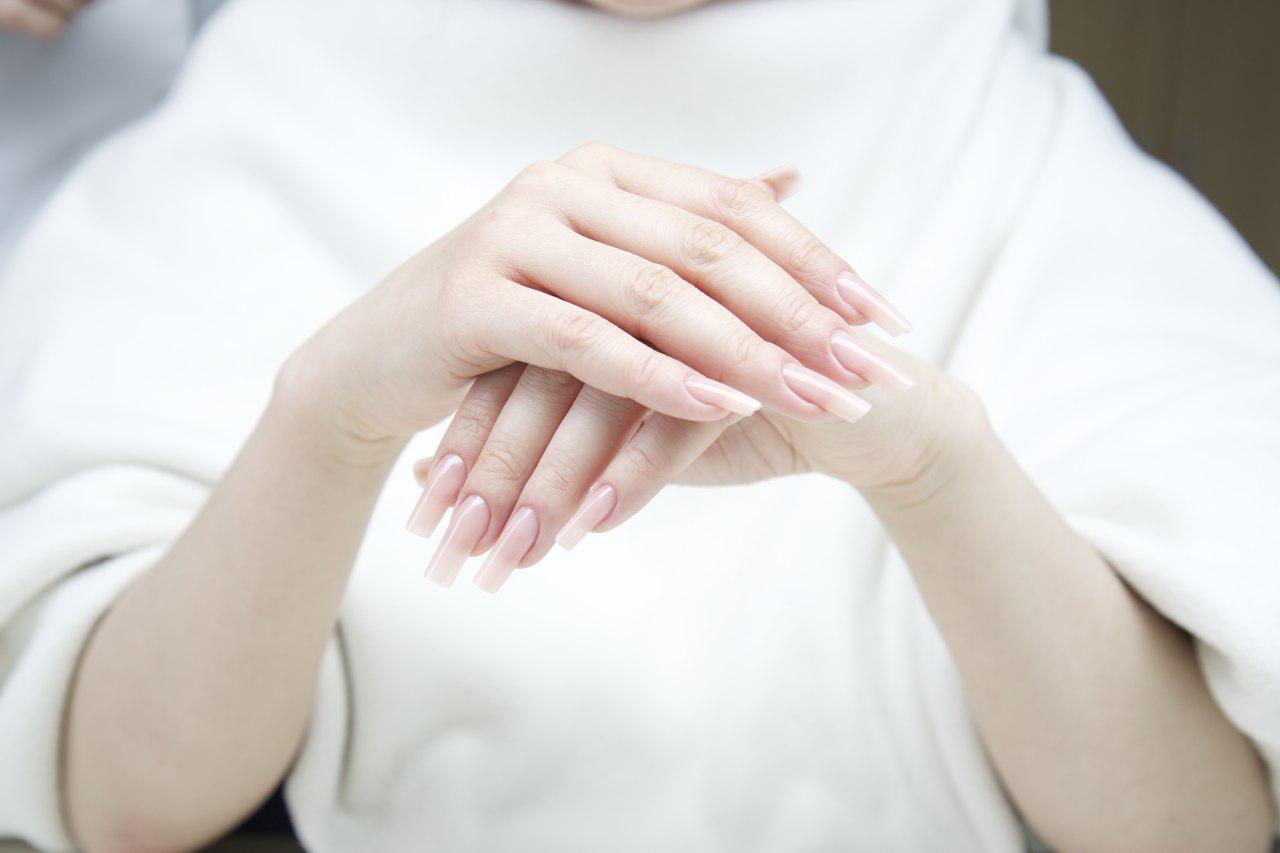
GelParty: Your Global Hub for Nail Artist Certification
Elevate Your Nail Art Career with Online Certification
GelParty Nail Schools: Your Path to International Nail Artistry
Are you ready to elevate your nail artistry to new heights?
GelParty Nail Schools offer a comprehensive curriculum designed to equip you with the skills and knowledge needed to become a certified international nail artist.
Why Choose GelParty?
International Recognition: GelParty's certification is widely respected and recognized in the global nail industry.
Expert Instructors: Learn from seasoned professionals with years of experience in the field.
Hands-On Training: Gain practical skills through hands-on exercises and real-world projects.
State-of-the-Art Facilities: Benefit from modern equipment and a comfortable learning environment.
Flexible Learning Options: Choose from a variety of courses to fit your schedule and goals.
Our Certification Programs
Basic Nail Technician: Master the fundamentals of manicures, pedicures, and nail extensions.
Advanced Nail Artist: Explore advanced techniques like nail art, gel extensions, and acrylic nails.
Master Nail Educator: Learn to teach others and become a certified nail instructor.
What You'll Learn
Nail anatomy and health
Nail preparation and sanitation
Application of various nail enhancements
Nail art techniques and designs
Business management and marketing for nail artists
Gel nail extensions
Acrylic nail extensions
Nail art designs
Nail enhancements
Nail health and safety
Upon completion of the program, you will receive a prestigious GelParty certification, validating your skills and qualifications.
Join the GelParty Community
Become part of a global network of talented nail artists.
Connect with like-minded individuals, share your work, and stay updated on industry trends.
Ready to Take the Next Step?
Enroll in a GelParty Nail School today and embark on a journey to becoming a certified international nail artist.
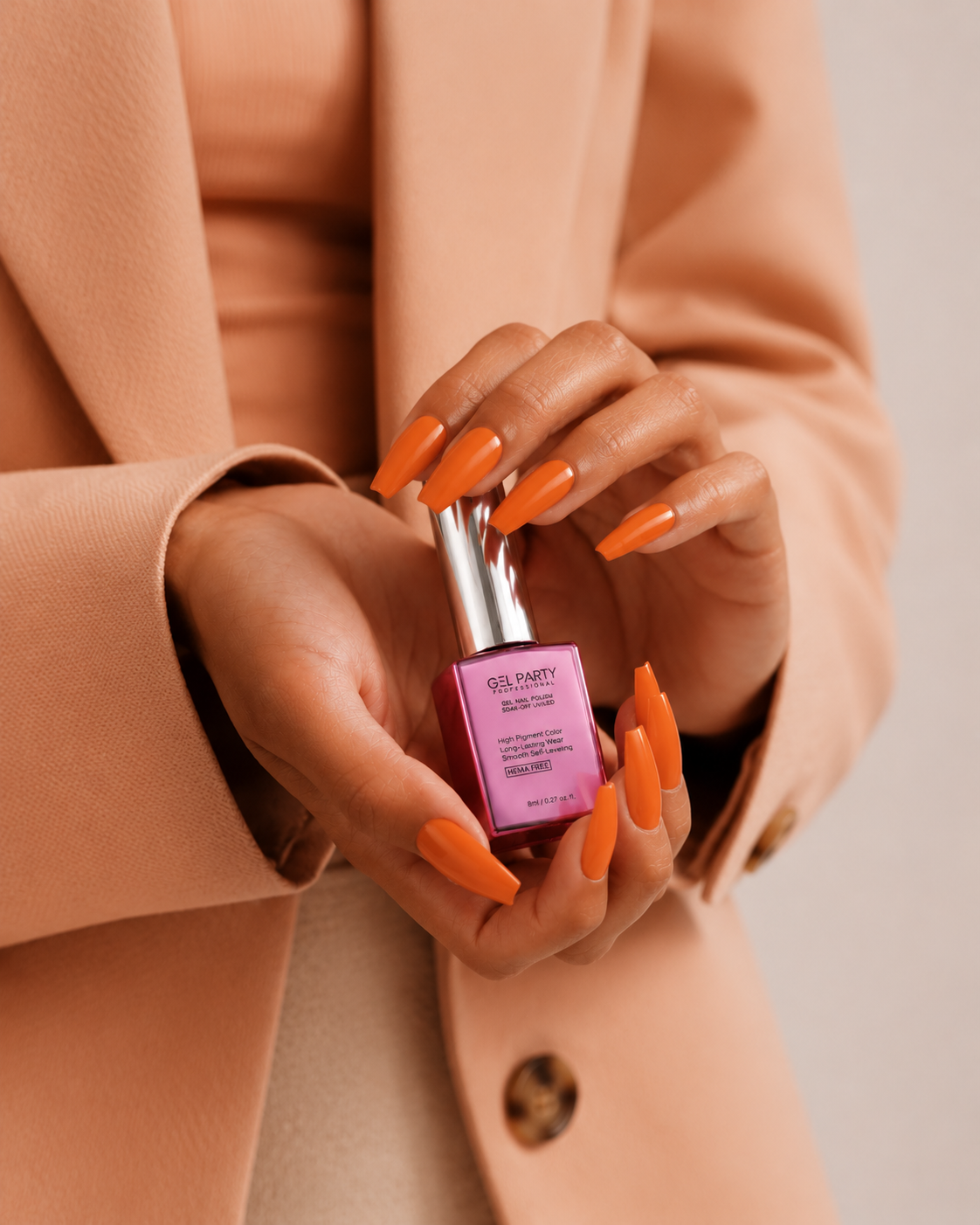
Nail color trends move fast, shaped by runway shows, social media, and the changing seasons. If you're a nail technician planning your next color restock, or someone who loves keeping their manicure on-trend, here's a look at the shades and finishes currently dominating gel nail art.
Chrome nails haven't slowed down — if anything, the trend has expanded into more nuanced territory. Instead of just classic silver chrome, technicians are now layering:
Metallic mirror chrome for a high-shine, almost liquid-metal look
Pearl chrome for a softer, opalescent shimmer that works well for everyday wear
High-shine mirror sets in gold, rose, and holographic tones for statement looks
Chrome powders and liquids pair especially well with a solid neutral base coat, letting the reflective pigment do all the work.
While bold statement nails have their moment, a parallel trend has stayed consistently popular: sheer, milky nudes and soft pinks that mimic a natural, healthy nail. These shades are especially popular for bridal season and workplace-appropriate manicures, and they photograph beautifully because they don't compete with skin tone — they enhance it.
The "glazed donut" nail aesthetic introduced a wave of interest in ultra-glossy, semi-sheer top coats applied over pearlescent or shimmer bases. This look works well with both nude and pastel palettes and has become a staple request in salons for its low-maintenance elegance.
As the color wheel turns toward cooler months, deep burgundies, espresso browns, forest greens, and near-black shades take center stage. These tones work beautifully with a matte no-wipe top coat for a velvety finish, or a glossy top coat for a rich, jewel-like effect.
Blooming gel — a specialty gel that spreads and blends when manipulated with a fine brush — has become a favorite for creating marble, watercolor, and ink-blot nail art without needing advanced freehand painting skills. It's an accessible way for both beginners and professionals to create intricate, one-of-a-kind designs quickly.
Not every trend is about texture and effect — cream gel formulas that deliver rich, one-coat opaque color remain a salon staple. Their reliability and true-to-bottle color payoff make them a foundation product in any professional kit, regardless of what seasonal trend is dominating social media.
For salons and nail artists, the key to staying current isn't chasing every micro-trend — it's building a versatile core collection (neutral, chrome, deep tone, and one standout seasonal color) and rotating in trend-driven shades or effects like blooming gels and chrome sets as client interest shifts. This keeps a service menu fresh without constant, costly restocking.
Whether you gravitate toward high-shine chrome, quiet nudes, or moody winter tones, the common thread across this season's biggest trends is finish and texture taking center stage alongside color itself.
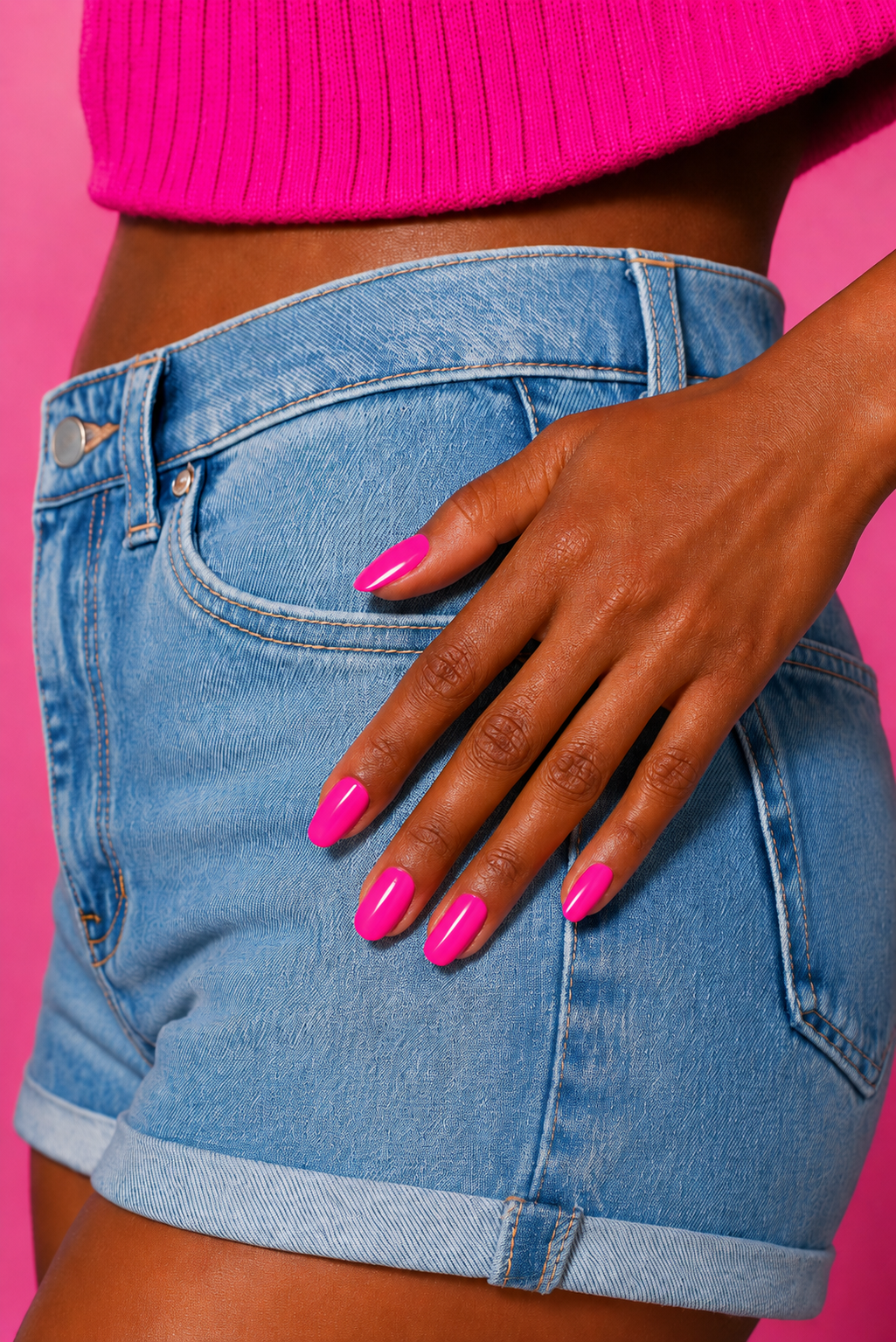
Starting your gel nail journey can feel overwhelming with hundreds of colors, formulas, and brands on the market. Whether you're a nail art enthusiast doing your own manicures at home or a nail technician building your first professional kit, choosing the right gel polish makes all the difference between a manicure that chips in two days and one that lasts three weeks.
Traditional nail polish air-dries and typically lasts 3-7 days before chipping. Gel polish, on the other hand, requires curing under a UV or LED lamp, which creates a much stronger molecular bond. The result is a manicure that resists chipping, keeps its shine, and can last two to three weeks with proper application.
For beginners, this durability is exactly why gel has become the go-to choice — but it also means the application process has a slightly steeper learning curve than regular polish.
1. Self-leveling formula. A good beginner gel polish should spread evenly with minimal brush strokes, hiding small application mistakes automatically.
2. Quick cure time. Look for formulas that cure fully in 30-60 seconds under an LED lamp. Longer cure times increase the risk of smudging before the light sets the gel.
3. No-wipe top coat compatibility. Traditional top coats leave a tacky layer that needs wiping with alcohol. No-wipe top coats save a step and are more forgiving for new users.
4. Soak-off formula. Choose a soak-off gel rather than a hard gel for your first kit — it removes easily with acetone without heavy filing, which protects your natural nail while you're still learning proper removal technique.
Prep the nail. Push back cuticles, buff the nail surface lightly to remove shine, and clean with a lint-free wipe and nail prep dehydrator.
Apply a bonding primer. This step is often skipped by beginners but significantly improves adhesion and prevents lifting.
Apply base coat. Use a thin layer, cap the free edge, and cure under your lamp per the product's instructions.
Apply 2 thin coats of color. Thin layers cure more evenly and reduce the chance of bubbling or shrinkage. Cure each layer separately.
Apply top coat. Cure, then wipe off any tacky residue if your top coat requires it.
Finish with cuticle oil. This restores moisture to the surrounding skin after the drying process of curing.
Applying color too thick. This is the number one cause of bubbling, uneven curing, and premature chipping.
Skipping the primer or dehydrator. These prep steps are what separates a manicure that lasts days from one that lasts weeks.
Not sealing the free edge. Failing to cap the tip of the nail with each layer is a leading cause of tip-wear and lifting.
Using an underpowered lamp. LED lamps vary widely in wattage and light distribution — an inconsistent lamp is often the hidden reason a gel manicure fails to cure properly.
For anyone just starting out, a simple starter set covers the essentials: a bonding primer, base coat, 3-5 core polish colors, a no-wipe top coat, and a reliable LED lamp. As your skills grow, you can expand into specialty categories like chrome shades, cream gels, or sculpting gels for nail art and extensions.
Gel nails reward patience and proper technique. Once the fundamentals of prep, thin application, and full curing become second nature, the payoff is a salon-quality manicure that holds up to everyday life for weeks at a time.


Get the latest product drops, discounts, and more from Gelparty brands straight to your inbox.